OGDEN, Utah – Northern Utah communities in Senate District 5 are voicing concerns over Flock Safety cameras, with varied results.
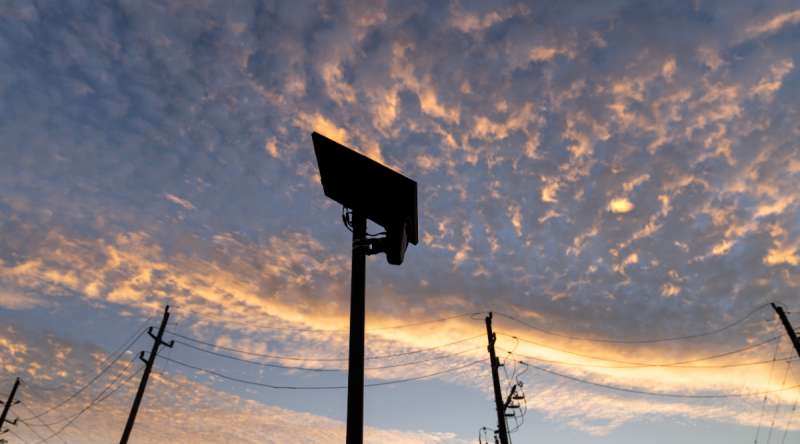
The use of Flock cameras, or similar automated license plate readers (ALPR), has sparked concern across Utah. The cameras work by scanning passing vehicles and logging the information into a nationwide database.
Worries about tracking, abuse of data, and loss of privacy have flooded city council meetings across the state.
How are Northern Utah cities responding to Flock?
In Senate District 5, which encompasses Ogden, Riverdale, and Washington Terrace, residents have gotten mixed reactions from their local leaders.
In Washington Terrace, the city council voted unanimously on Sept. 1 to end a proposed trial agreement with Flock.
The agreement would have added three Flock cameras to the city. However, after Washington Terrace Mayor Mark Allen and the city council received pushback from the community, the city decided not to move forward with the trial.
Several residents spoke out during the Sept. 1 meeting to emphasize concerns about privacy and mass surveillance, thanking city leaders for changing their minds.
Three cameras are already installed within city limits, but those were placed by the Weber County Sheriff’s Office.
The broken agreement in Washington Terrace sits in stark contrast to Ogden’s relationship with Flock, which began in 2021. There are currently 41 Flock cameras in the city.
A report from KUER found that Ogden spent more on Flock cameras in 2025 than any other city in Utah.
Despite Flock’s lucrative agreement with Ogden, residents haven’t been shy about voicing their concerns over the ALPRs.
During a Sept. 15 Ogden City Council meeting, several residents asked the council to reevaluate their agreement with Flock.
“Do something about Flock. Nobody in Ogden wants this,” resident Annie Dunaway said.
At the end of that meeting, council member Dave Graf said the council would soon hold a work session with Ogden Police Chief Jake Sube to discuss the city’s policies on Flock camera data retention.
Where do the Senate District 5 candidates stand?
Democrat CJ Hernandez is running for Senate District 5 in this year’s midterm election.
Hernandez told Utah Junction that concerns about Flock cameras have come up as she campaigns across the district.
“Folks don’t feel safe. Some are for it because they understand it could be good for security… But there’s a lot of others that just don’t know enough about it and that are very concerned,” she said.
Hernandez wants to pause the addition of any new Flock cameras in the district while officials learn more about potential risks to privacy.
“There’s not enough evidence to confirm whether Flock is an effective crime prevention tool, and the risks for abuse [are] pretty serious, as we’ve seen,” Hernandez said.
The abuse of ALPR cameras has made headlines several times this year as law enforcement officers across the country have accessed data to harass or stalk people.
Hernandez said she wants to push for more transparency on how ALPRs are used and how they work.
“When cameras are just thrown up in our communities without understanding where they are, what they’re recording, and what kind of abuses could come from them, I think people need to know more about them before we continue to install them,” she said.
She also anticipates that the state Legislature will need to figure out how to keep people accountable when they misuse ALPR data.
Hernandez’s Republican opponent in the District 5 race, currently District 10 Rep. Jill Koford (R-Weber), did not respond to requests for comment prior to publication.
However, Koford attended the Sept. 1 Washington Terrace meeting and encouraged residents to reach out to their state representatives. Koford also said that ALPRs need guardrails to ensure Fourth Amendment rights are maintained.