In a shopping ecosystem that is dominated by large corporations like Amazon, Target, and Walmart, it can be hard to see the value in shopping locally. The big guys offer convenience, marketing, and targeted advertising that makes it difficult to see all the options in our own backyard. It sends a pretty clear message to consumers, and it’s so loud that we often forget to shop in Utah businesses owned by our friends and neighbors.
But we can send a message too. When you choose to patronize local businesses, the message you send is that you want more variety than corporations care to offer. It sends the message that business owners who live in our communities know what’s best for those communities. It also sends the message that we value niche markets and diverse products that keep money flowing within Utah’s economy.
Even those who want to shop local can have a tough time navigating through the convenience and presence that large corporations enjoy. After talking with a few local business owners and advocates, however, it’s clear that shopping local is easier than you might think.
Support your Utah chambers of commerce
One of the best resources local shoppers have is their chamber of commerce. Utah has a number of these chambers, and many of them were organized to help members of marginalized communities enjoy the same business opportunities as everyone else. Liz Pitts, president and CEO of the Utah LGBTQ+ Chamber of Commerce, spoke with me about how these community resources are a benefit to local consumers and businesses alike.
“Whether you just want to shop local or you want to shop local and support business owners of marginalized communities, you can use chambers to help you connect with those businesses and find what you’re looking for,” they said.
Outside of supporting business owners that may not have the same opportunities as those affiliated with big box stores, your locally-spent dollars help contribute to a healthy local economy. “You are not only keeping money in Utah, but you’re supporting jobs in Utah,” Pitts said. “It’s like a triple impact if you’re buying a product or service locally because it’s using the revenue to create more jobs and help the small businesses thrive. It’s a win all the way around.”
When larger companies roll back inclusivity initiatives like Target did last year, local chambers of commerce take a financial hit.
“We do workshops and we train small businesses on topics like business scaling and growth,” Pitts said. “So when our banks and other corporate partners start pulling funding, we can’t provide the services to help small businesses thrive.” The Utah LGBTQ+ Chamber of Commerce saw a 30% decrease in its corporate revenue stream last year, which has impacted its ability to provide resources to local businesses.
In contrast, organizations that choose to work with local chambers of commerce are seeing their own type of growth. Pitts cites Key Bank as one of the bigger businesses that has reached out to the Utah LGBTQ+ Chamber of Commerce, and the results have been positive. “Key Bank wants to use the chamber to connect with small businesses, and they pay their dues to the chamber,” Pitts said. “Since Key Bank provides products and services for small businesses, we can help connect them to more customers.”
Shopping local creates new opportunities in Utah
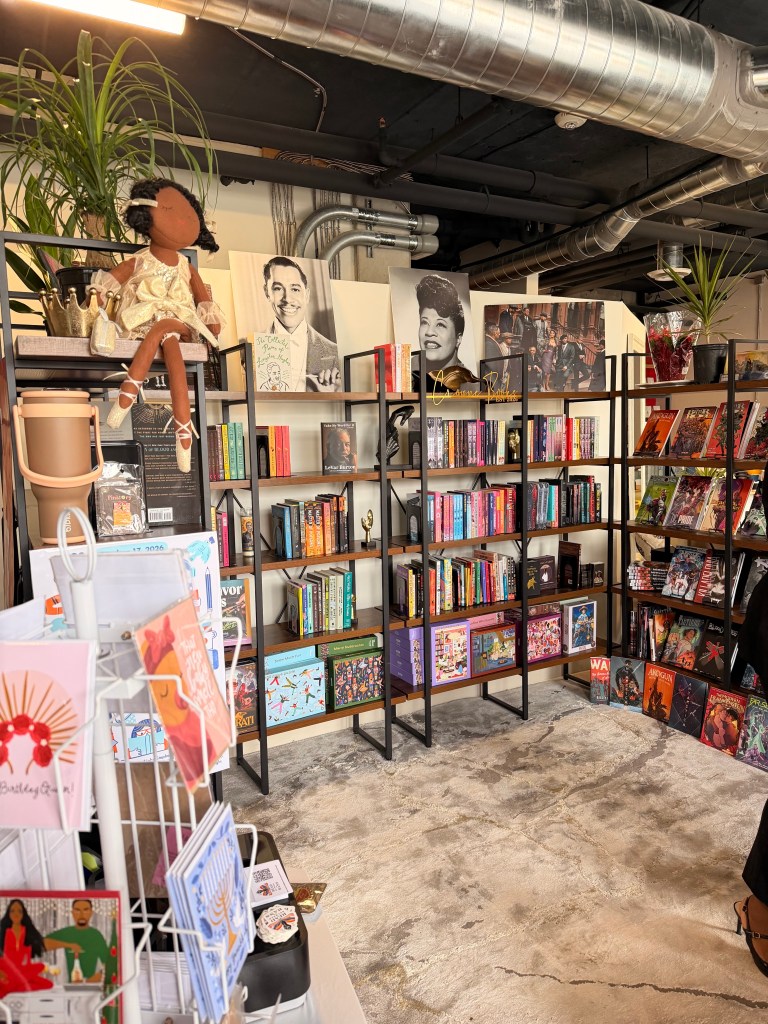
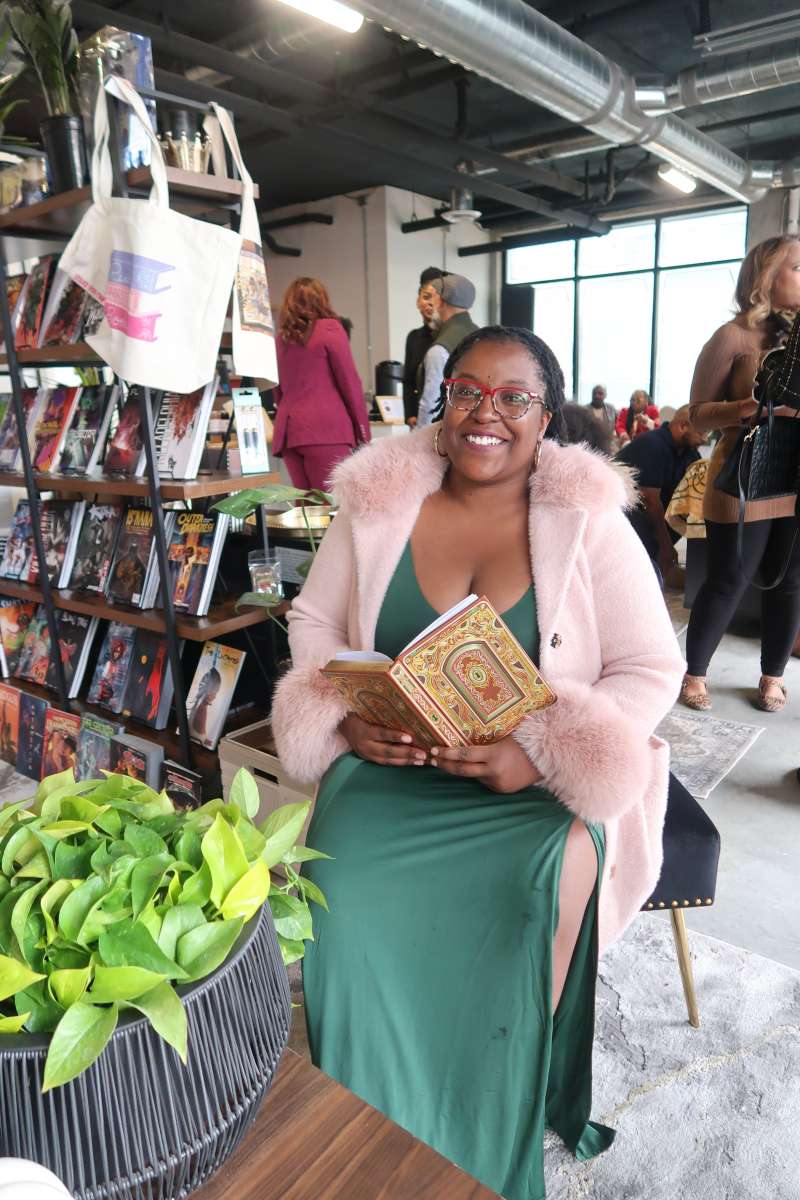
One of the important services provided by a chamber of commerce is to create opportunities for business owners that perhaps would not have existed before. It’s something that Crowne Books owner Olivia Nightingale praised during my visit to her recently opened bookstore. Thanks to the assistance of the Utah Black Chamber of Commerce, Nightingale was able to open a storefront for her bookstore in ProXimity, a new business incubator and commercial space in Salt Lake City.
Nightingale is a writer who has been running Crowne Books as a pop-up bookstore that champions African writers and literature. Now that she’s got a storefront, Utah’s book scene has one more niche for book lovers to explore. “So it’s been really, really helpful because I’m a solopreneur, you know, I don’t have any employees,” she said. “But while we’re in this incubator, we can sell. So people are coming in and buying and getting the name out while we’re doing it.”
Related: Enthusiasm for Utah book festivals calls book banning into question
Utah’s local book market has started growing recently, and more local business owners are using bookstores to dive deep into a specific niche. Crowne Books’ inventory of literature from African and African American writers creates a space that encourages economic diversity while strengthening our local book market.
“I want to find a way to do my small part, to get some of that Black lit onto the shelves, and then get it out into the community,” Nightingale said. “Someone came in and specifically asked me for “Jazz” by Toni Morrison, and I had it on my shelf because I stock all 11 of her published novels. So you get to have a different experience than other bookstores because I have that niche.”
The opportunity to create a niche bookstore or offer a unique service to Utah’s community is exactly why shopping local should be a priority this year. The more we invest in our local businesses, the more unique businesses we’ll start to see.