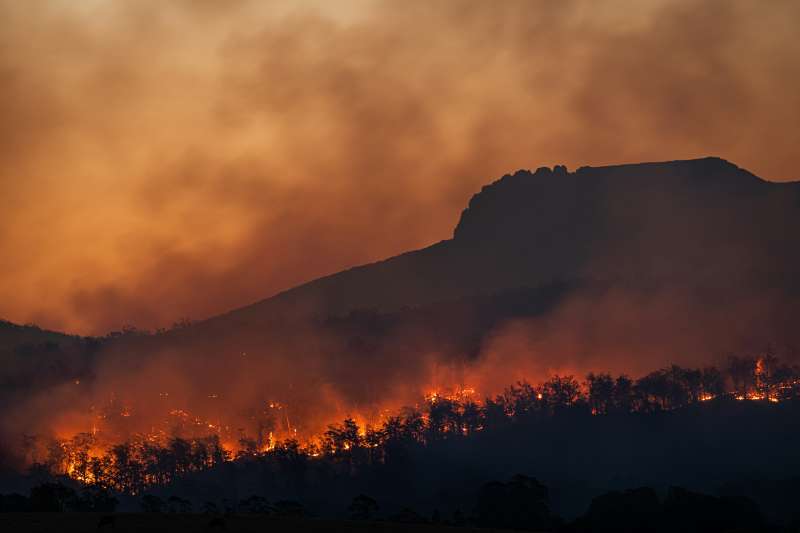
There are 432 wildfires burning across Utah, according to utahfireinfo.com. Of that number, a whopping 300 were caused by people. It’s a recurring theme in the summer, but what are the financial consequences for those found responsible for causing a wildfire in the state?
To answer that question, we need to take a look at our local code and see how much an uncontrolled fire—intentional or otherwise—can set you back. Utah Code Section 76-6-104 covers “reckless burning” or fires caused by accident or negligence.
‘Reckless’ fires
A fire is considered “reckless” when it endangers life, damages property, is not controlled or reported, or if there are flammable materials near the fire when it’s created. If the total damages amount to less than $1,500, the incident is considered a class B misdemeanor, but if total damages amount to more than $1,500, you’re looking at a class A misdemeanor and possibly a third-degree felony.
The cost
Even at a class B misdemeanor, a reckless fire will cost you $1,000 to $1,900 and a possible six-month stay in county prison. Class A misdemeanors will result in a jail sentence of up to 364 days and $2,500 in fines. The felony charge can be even more severe with up to five years in prison and a $5,000 fine.
Utah code states that the person responsible for the fire is also liable for any fire suppression costs incurred by the state. The current efforts to suppress and contain Utah’s existing wildfires are in the ballpark of $40 million, and being on the hook for even a fraction of that bill is enough to make extra sure that campfire is appropriately drowned and smothered.
If a minor is responsible for a wildfire or other incident of reckless burning, the parents are considered liable for the crime and therefore financially responsible for the consequences.
Gabriell Sabalones, an attorney at the law firm of Christensen and Jensen in Salt Lake City, explained that the financial repercussions of reckless burning are only the beginning. “A reckless burning conviction creates a permanent criminal record that can jeopardize your professional career,” she said. “In short, Utah does not treat fire lightly.”
Stopping wildfires
According to Kelly Wickens, Wildfire Prevention and Communication Specialist for Utah’s Forestry Fire and State Lands Department, the best way to stop wildfires is to keep them from happening. “Not having wildfires in the first place is the best way to help our first responders,” Wickens said. “Fire sense is common sense.”
Campfire maintenance is one of the most pertinent parts of wildfire prevention, and per utahfiresense.org, campfires should be extinguished with water, stirred with a bit of dirt, and then checked for heat before repeating the process to make sure the fire is completely out.
While a campfire may be top of mind when you’re enjoying the great outdoors, many wildfires ignite because of vehicles. Dragging chains that kick up sparks, parking a hot car over a patch of dry grass, and poorly maintained tires can all lead to a wildfire that quickly spreads out of control.
Wickens also suggests doing a bit of research into the fire restrictions in place for different campsites or parks. “Know the restrictions and know what you can and can’t do,” she said. “All the restrictions are listed at utahfireinfo.com.”
A bit of planning and research before hitting the road never hurts, and understanding the specific fire restrictions of your destination is a good way to prioritize fire prevention.
In the event you do accidentally start a fire, or happen upon a fire already in progress, your best course of action is to call 911. “That shows it was an accident versus complete negligence,” Wickens said. “You look much better in the law’s eyes if you report a fire.”
As Utahns, we have the privilege of being near some of the most beautiful land in the country. That privilege comes with the responsibility of making sure those lands are protected for our enjoyment, and the enjoyment of generations to come. A little bit of research and preparedness will go a long way to protect this gorgeous land for years to come.
Related: Enjoy the outdoors? These are Utah’s best swimming holes